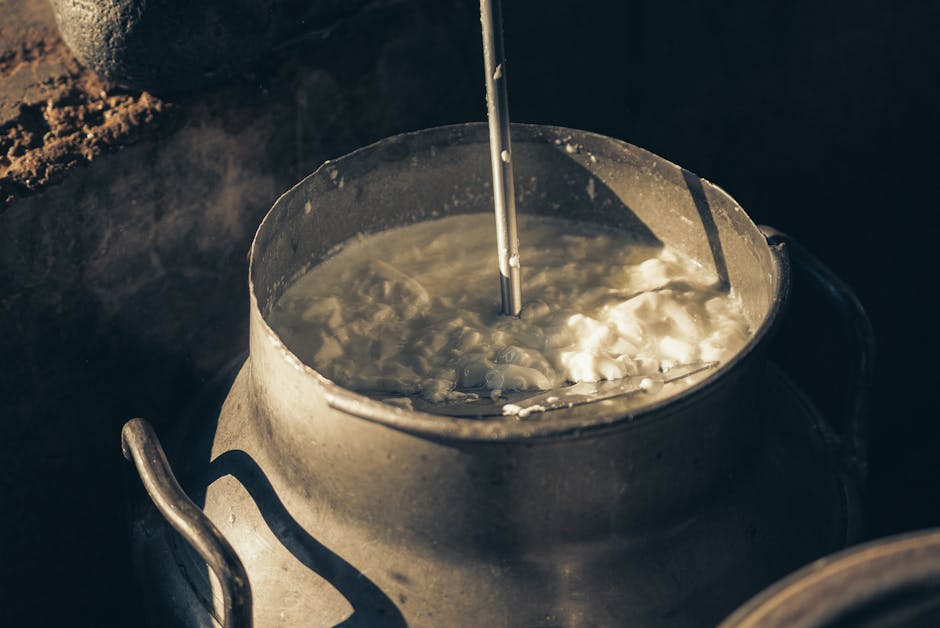
Group 1 — Unprocessed or Minimally Processed
Whole foods like fresh produce, grains, legumes, eggs, and plain yogurt. Processing here may include cleaning, freezing, or fermentation without additives.

Smart Cooking
Use the NOVA 1–4 system to map foods by processing level and build menus around minimally processed anchors.
Processing degree is a starting signal: NOVA 3 or 4 items can still play a role when they add safety or nourishment—balance them with whole-food staples rather than chasing perfection.
Whole foods like fresh produce, grains, legumes, eggs, and plain yogurt. Processing here may include cleaning, freezing, or fermentation without additives.
Ingredients extracted from Group 1 foods—oils, butter, sugar, and salt—used to season and prepare meals. Valuable in small amounts to cook or preserve.
Products combining Group 1 and Group 2, such as breads, canned vegetables, cheeses, or tinned fish. Typically feature two or three ingredients and retain a recognisable base food.
Industrial formulations with additives for flavor, color, or shelf life—think soft drinks, packaged snacks, instant noodles, and reconstituted meats. Treat as convenience items alongside fresh staples.
We translate NOVA research into grocery reality, highlighting pantry examples, ingredient cues, and ways to combine convenience with fresh prep. Tools include printable checklists and classroom-ready explanations.
Visual ladder from minimally processed staples to ultra-processed treats, with household examples for each group.
Quick identifiers for emulsifiers, refined isolates, and reconstituted ingredients that push foods up the scale.
Framework for pairing convenience proteins or sauces with fresh bases so plates land closer to Groups 1 and 2.