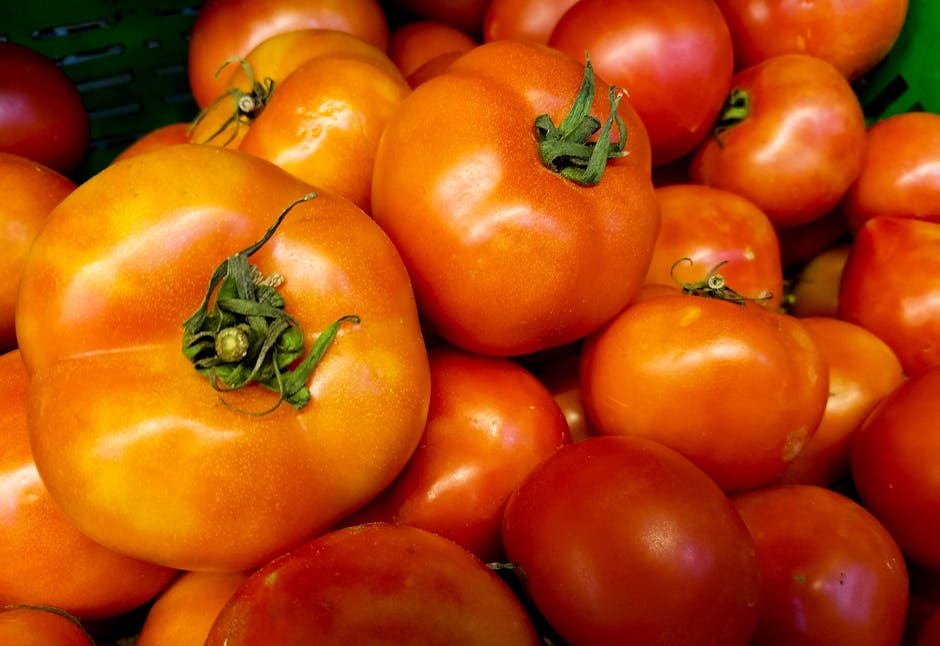
Whether used as a primary component or supporting player, Stew demonstrates the kind of kitchen flexibility that earns permanent pantry status.
Selection & Storage
Quality Stew makes a measurable difference in finished dishes. Learn to identify freshness through visual, aromatic, and tactile indicators. Understand optimal storage conditions—temperature, humidity, and container choice all affect longevity. Buy in appropriate quantities to minimize waste.
Preparation Methods
Prepare Stew using techniques that maximize its best qualities. Some benefit from soaking, rinsing, or trimming. Others shine when left whole or roughly torn. Consider how preparation affects not just appearance but texture, flavor release, and cooking time.
Cooking Applications
Stew adapts to numerous cooking methods, each highlighting different characteristics. Raw applications preserve fresh flavor and crisp texture. Gentle heat coaxes out sweetness. High-temperature cooking creates complex caramelized notes. Experiment across techniques to discover favorites.
Flavor Combinations
Build your flavor library by noting which ingredients complement Stew. Classic pairings exist for good reason, but don't fear experimentation. Consider contrasts—sweet against savory, rich against bright—or harmonies that amplify similar notes. Keep notes on successful combinations.